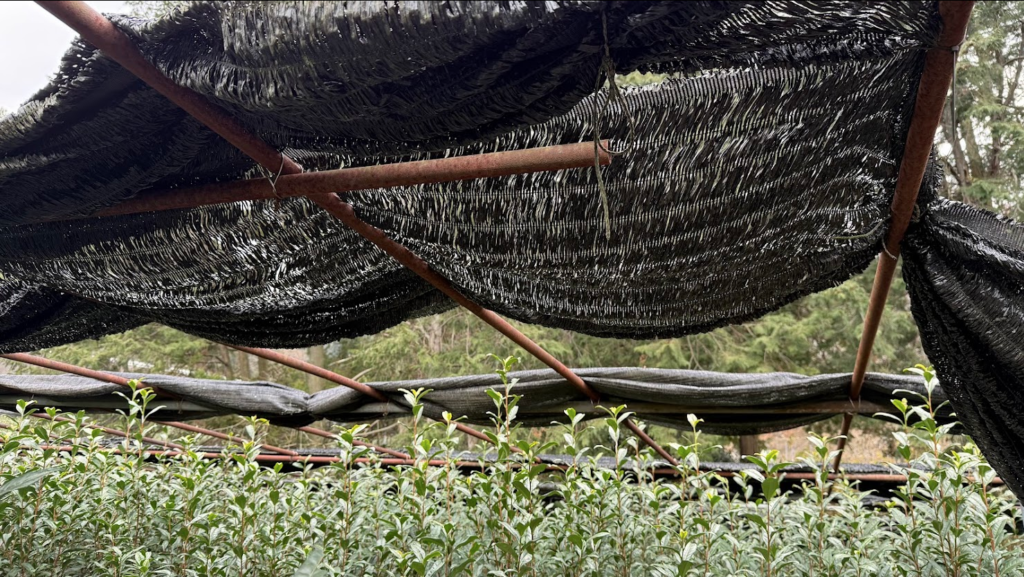
1.Shade
Shading controls not only bitterness, but the balance between umami and aroma.
Duration, light reduction, and timing all matter more than intensity alone.
Uneven shading leads to uneven flavor.
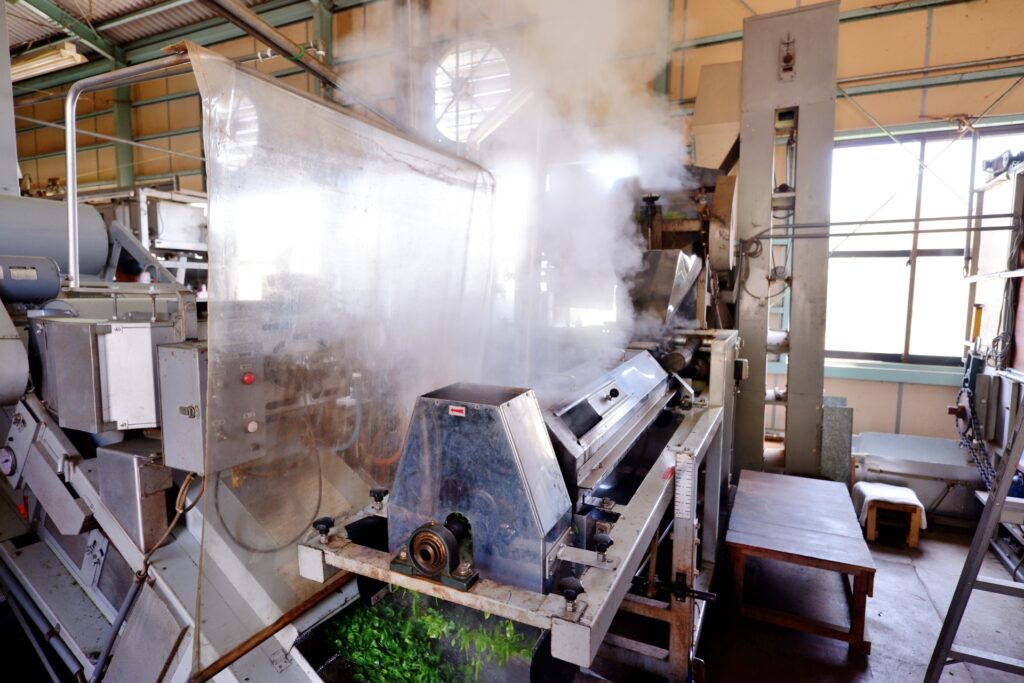
2.Tencha

Tencha processing preserves the leaf’s internal structure.
Steaming, drying, and handling affect clarity and aftertaste.
Over-processing reduces freshness and depth.
3.Grind

Grinding defines texture, dispersion, and aroma release.
Speed, heat, and pressure must remain controlled.
Heat damage is often invisible, but detectable in taste.

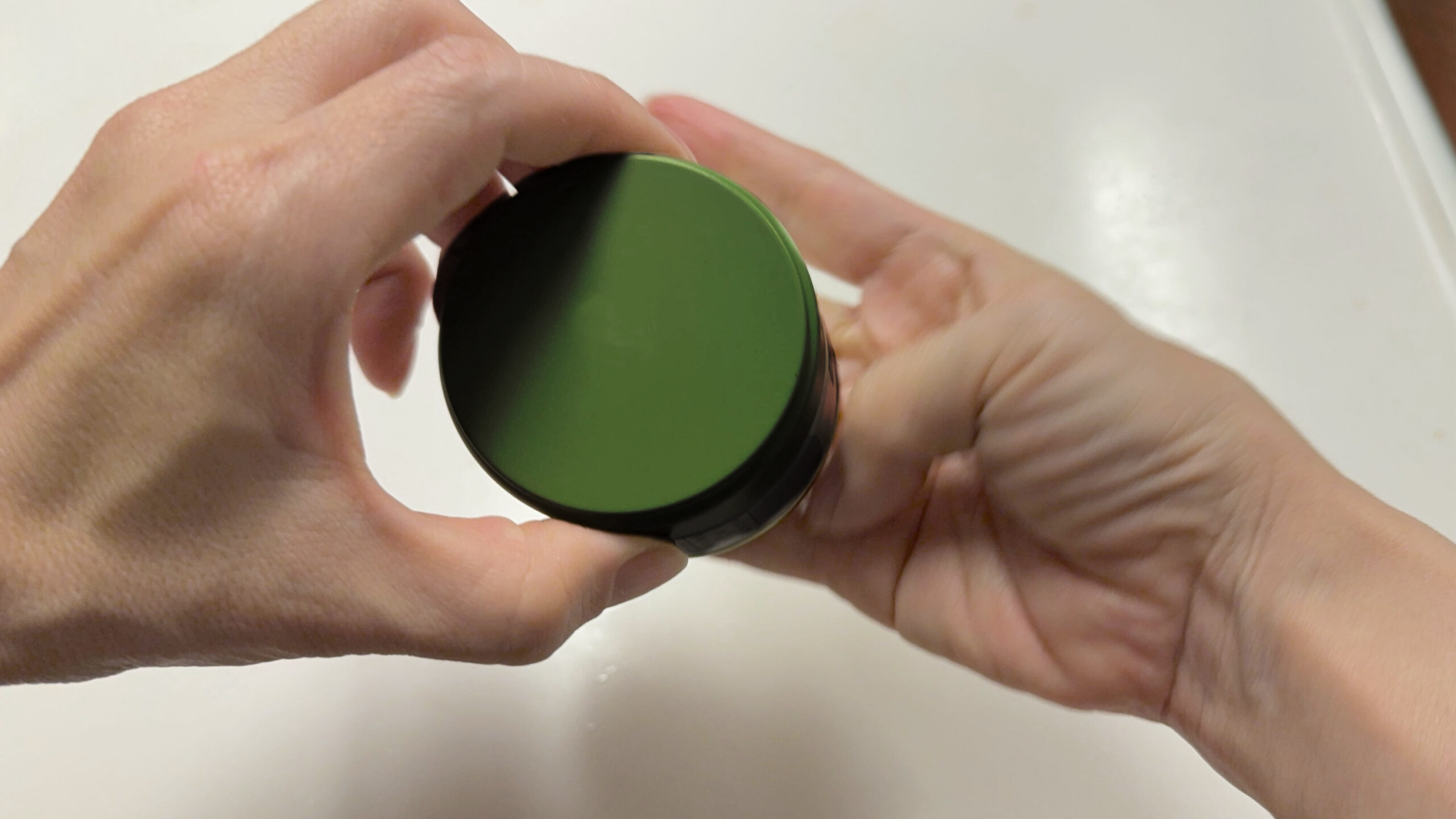
4.Pack
Packaging protects matcha from light, air, and moisture.
Material and sealing affect shelf stability.
Poor packaging shortens usable life dramatically.
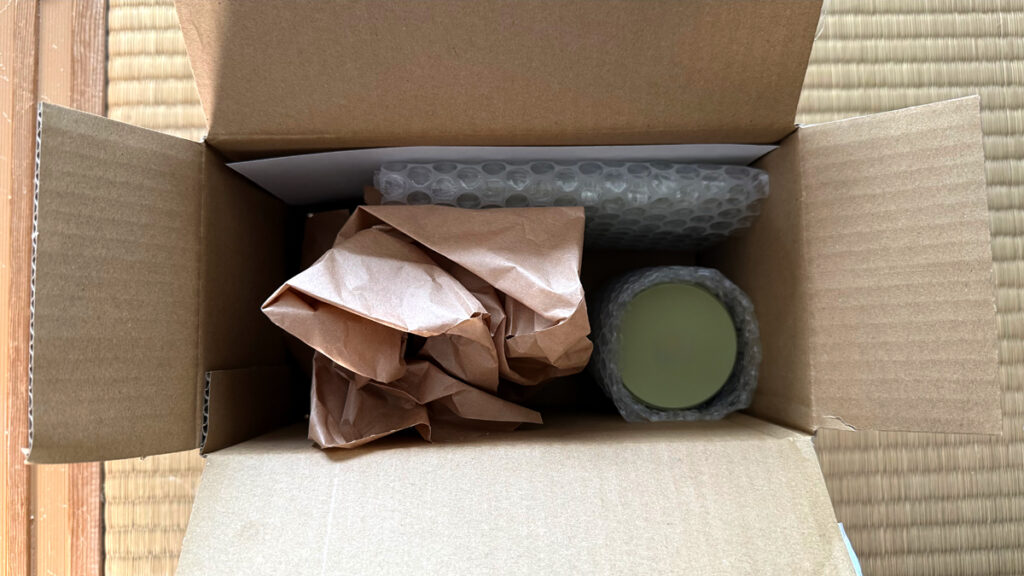
5.Ship
Shipping conditions influence freshness more than distance.
Temperature fluctuation and handling matter.
Speed alone does not guarantee quality preservation.
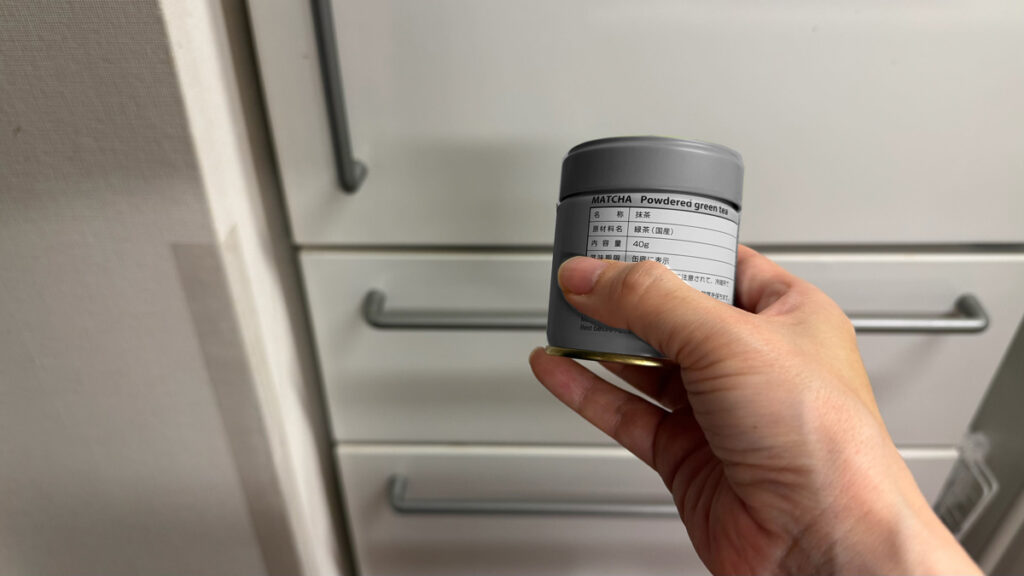
5.Store
Storage determines how long matcha stays expressive.
Light, temperature, and air exposure must be minimized.
Improper storage dulls aroma first.
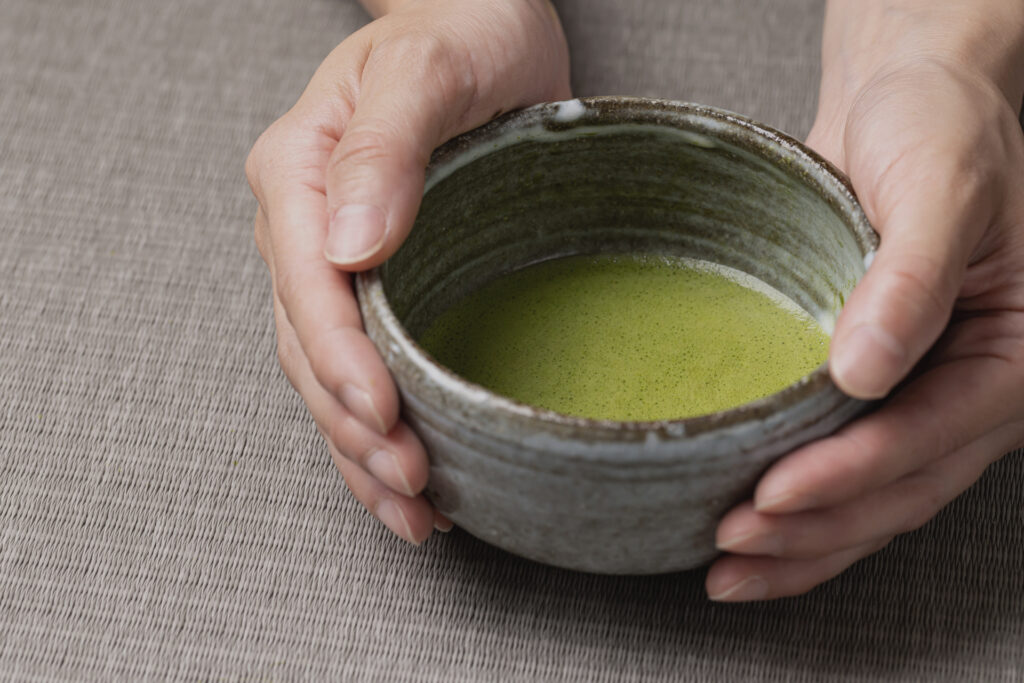
6.Serve
Preparation reveals all previous decisions.
Water quality, temperature, and movement matter.
Serving is where the system becomes visible.
This flow is not a rule, but a shared reference for observing matcha as a system.